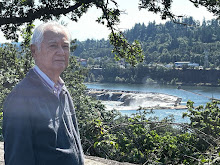
This posting is inspired by an event coming this June 1-my three years of residence here at THD. If you follow my blogs, you probably know I am very happy here at THD. Thus, this posting:
A Look Back at My Blogging Journey: What I’ve Really Been Writing About All These Years
When I first started blogging back in 2009, I did not have a grand strategy. There was no blueprint, no carefully crafted niche, and certainly no expectation that my words would travel far beyond my immediate circle. I simply wrote, about life, about memories, about places, about food, and about what it meant to be me.
Years later, looking at my body of work through a more analytical lens, I find something both surprising and deeply meaningful: my blog is not just a collection of posts, it is a reflection of a life lived across cultures, professions, and continents.
What emerges from this reflection is not randomness, but a pattern.
At the heart of my writing is a recurring theme, identity. My journey as an immigrant, my transition into becoming an American, and my experiences navigating two cultures have quietly become the backbone of my most widely read and most meaningful posts. These stories resonate not because they are unique, but because they are shared by millions around the world who have left one home to build another.
Closely tied to this is my love for travel. From places I have visited decades ago to more recent adventures with my daughter, travel has always been more than sightseeing for me. It is a way of understanding the world, of connecting past and present, and of appreciating how geography shapes culture and memory. Whether in the United States or the Philippines, each place carries a story, and I have tried to capture those stories in my own way.
My Six Grand Children, Fair Oaks, CA 2011 Then there is the personal side of my blog, the autobiographical reflections. These are perhaps the most intimate pieces I have written. They trace my journey from my early years in the Philippines to my professional life, including my time at the FDA, and into retirement. These posts are not just recollections; they are attempts to make sense of time, of choices, and of the path that led me here.
My Nephew and Name Sake (Dave Katague) from Australia Visit Here at THD, 2025 Food, of course, finds its place in my writing as well. Meals shared with family, dishes from different cultures, and culinary adventures all serve as reminders that food is never just about taste, it is about connection. It brings together memory, culture, and companionship in a way that few other things can.
As I moved into retirement, my writing also began to reflect a different pace of life. There is more contemplation now, more attention to aging, to gratitude, and to the quieter joys that come with time. These reflections may not be dramatic, but they are, in many ways, the most honest.
And woven throughout everything is a thread of philosophy, simple thoughts about life, happiness, purpose, and what truly matters. These are not academic discussions, but lived insights shaped by experience.
Looking at all of this together, I realize that I never set out to be a “niche blogger.” Instead, I became something else, a storyteller of a life in motion. My blog is not about one subject; it is about the intersections of many: immigration, travel, family, culture, food, work, and reflection.
If there is one thing I have learned from this exercise, it is this: people do not just read for information, they read for connection. And perhaps that is why the stories about identity and personal journey have reached the most readers. They remind us that, despite our different paths, we are not so different after all.
To my readers around the world, thank you for being part of this journey. What began as a simple act of writing has become a shared experience, and for that, I am deeply grateful.
As I continue to write, I do so with a clearer understanding, not of what I should write, but of what I have always been writing: the story of a life, one post at a time.
Meanwhile, here's the AI Overview of My Writings
📊 Overall Blog Structure & Scale From my own April, 2026 Summary:
- Top blog series page views:
- Becoming American → 2.09M
- Intellectual Migrants → 1.16K
- MRQ Awaits You → 1.50K
- MRQ Island Paradise → 1.69K
- Chateau Du Mer → 936K
- Additional blogs range from 100K to 827K views
👉 This indicates:
- You are not running a single blog, but a network of themed blogs
- Your lifetime readership is several million page views
🧠 Topic Clustering (Core Categories)
Based on your archives and blog titles, your writing falls into 7 major thematic categories:
1. 🇺🇸 Immigration & Identity (High Volume, High Engagement)
Examples:
- Becoming American
- Intellectual Migrants
Estimated share: ~25–30% of total content
Why it performs well:
- Personal narrative + universal appeal
- Diaspora storytelling resonates globally
👉 This is your flagship theme (highest page views)
2. 🏝️ Travel & Places (Very High Volume)
Examples:
- U.S. travel series (national parks, cities)
- Philippines travel (Marinduque, retirement life)
- “Places we visited since 1960” series
Estimated share: ~20–25%
👉 Subcategories:
- U.S. travel (historical)
- Philippines lifestyle (retirement-focused)
- Bucket-list experiences
3. 👨👩👧 Personal Life & Autobiography
Examples:
- Life story from Iloilo to FDA career
- Family memories, reflections, milestones
Estimated share: ~15–20%
👉 This is your emotional core content
4. 🍽️ Food & Culture
Examples:
- Filipino and American dishes
- Cultural food reflections
- Dining experiences
Estimated share: ~5–10%
👉 Smaller category, but high relatability
5. 🌿 Lifestyle, Retirement & Aging
Examples:
- Joys of retirement
- Snowbird living
- Aging gracefully reflections
Estimated share: ~10–15%
👉 Strong niche: retiree + expat perspective
6. ✍️ Philosophy, Advice & Reflection
Examples:
- Life lessons (gratitude, happiness, ego)
- Writing as healing
- Moral and philosophical discussions
Estimated share: ~10–15%
👉 Often overlaps with personal blogs
7. 🎬 Miscellaneous / Niche Topics
Examples:
- Movies
- Historical topics
- Internet images
- Misc articles
- AI Technology
Estimated share: ~5%
📈 Statistical Distribution (Approximate)
| Category | % of Content | Engagement Level |
|---|
| Immigration & Identity | 25–30% | ⭐⭐⭐⭐⭐ |
| Travel & Places | 20–25% | ⭐⭐⭐⭐ |
| Personal/Autobiography | 15–20% | ⭐⭐⭐⭐ |
| Lifestyle/Retirement | 10–15% | ⭐⭐⭐⭐ |
| Philosophy/Reflections | 10–15% | ⭐⭐⭐ |
| Food & Culture | 5–10% | ⭐⭐⭐ |
| Miscellaneous | ~5% | ⭐⭐ |
📊 Key Insights (What Your Data Really Says)
1. You are a Narrative Blogger, not a Niche Blogger
Most successful blogs specialize narrowly. Yours succeeds because it blends:
- Personal history
- Cultural identity
- Travel
- Reflection
👉 That combination creates a “life archive” blog style
2. Your Highest-Performing Content is Identity-Based
Your top blogs:
- Immigration
- Cultural transition
- Life journey
👉 Readers connect most with:
“Who you are” more than “what you review”
3. You Have a Strong “Legacy Content Model”
Your blog spans 2009–present, which means:
- Evergreen content
- Compounding page views over time
- Historical storytelling value
4. Your Audience is Likely:
- Immigrants / Filipino diaspora
- Retirees or near-retirees
- Readers interested in life reflections
- Travel + culture enthusiasts
📉 Missed Opportunities (Honest Assessment)
I’ll be direct-because this matters if you want growth:
1. Topic Branding is Fragmented
You have multiple blogs instead of one unified brand.
👉 Result:
- SEO power is split
- Audience is divided
2. Food & Lifestyle Could Be Bigger
You already write about food and travel-but not consistently enough to dominate those niches.
3. Your Strongest Asset (Your Story) Isn’t Fully Centralized
Your life story (FDA career, immigration, 9/11 involvement) could be:
- A main series
- A book
- A flagship blog category
📌 Final Summary
Your blog ecosystem can be statistically defined as:
A high-volume, multi-topic personal narrative platform centered on immigration, travel, and life reflection supported by strong long-term readership and evergreen content.
I was not sure what evergreen content meant:
Evergreen content means blog posts that stay useful and relevant for a long time, not just for a current event or trend. It usually covers timeless topics that people keep searching for, so it can keep bringing readers months or even years after you publish it.
For your blog, examples of evergreen content would be:
How you immigrated and what you learned from the experience.
Travel reflections that focus on lessons, culture, or practical tips rather than a specific trip date.
Life reflections on aging, family, identity, or resilience.
Guides or stories that answer questions readers may always have about your background or perspective.
In contrast, a post about a specific news event, a one-time trip, or a temporary trend is usually not evergreen because its usefulness fades more quickly.
A simple way to think about it: if someone could read the post next year and still find it meaningful, it is probably evergreen.
Finally to All My Readers and Commentators All over the World- this is my Grateful Recognition and Appreciation Award:
In grateful recognition of your outstanding and faithful participation as a commentator on my daily blogs since 2009.
Your thoughtful, intelligent, and positive reflections have greatly enriched the quality and lasting value of these writings. Through your comments, you have helped create meaningful discussions that continue to inspire readers across generations and around the world.
Your voice, friendship, and support are deeply appreciated.